
Sleeve Anchor Load Capacity and Torque: A Technical Selection Guide
Sleeve Anchor Load Capacity and Torque: A Technical Selection Guide
A sleeve anchor does not have a single load capacity. Its usable capacity is the output of a defined system: base material, anchor diameter, embedment depth, drilled hole diameter, edge distance, anchor spacing, material grade, corrosion protection and the applied tightening torque. This technical guide explains how load capacity and torque specifications are established and verified, what EN ISO 10683:2018 contributes to corrosion protection documentation and what EN ISO 16047:2005+A1:2012 contributes to fastening torque verification, and how an ISO 9001 quality management system keeps both variables consistent between production batches.
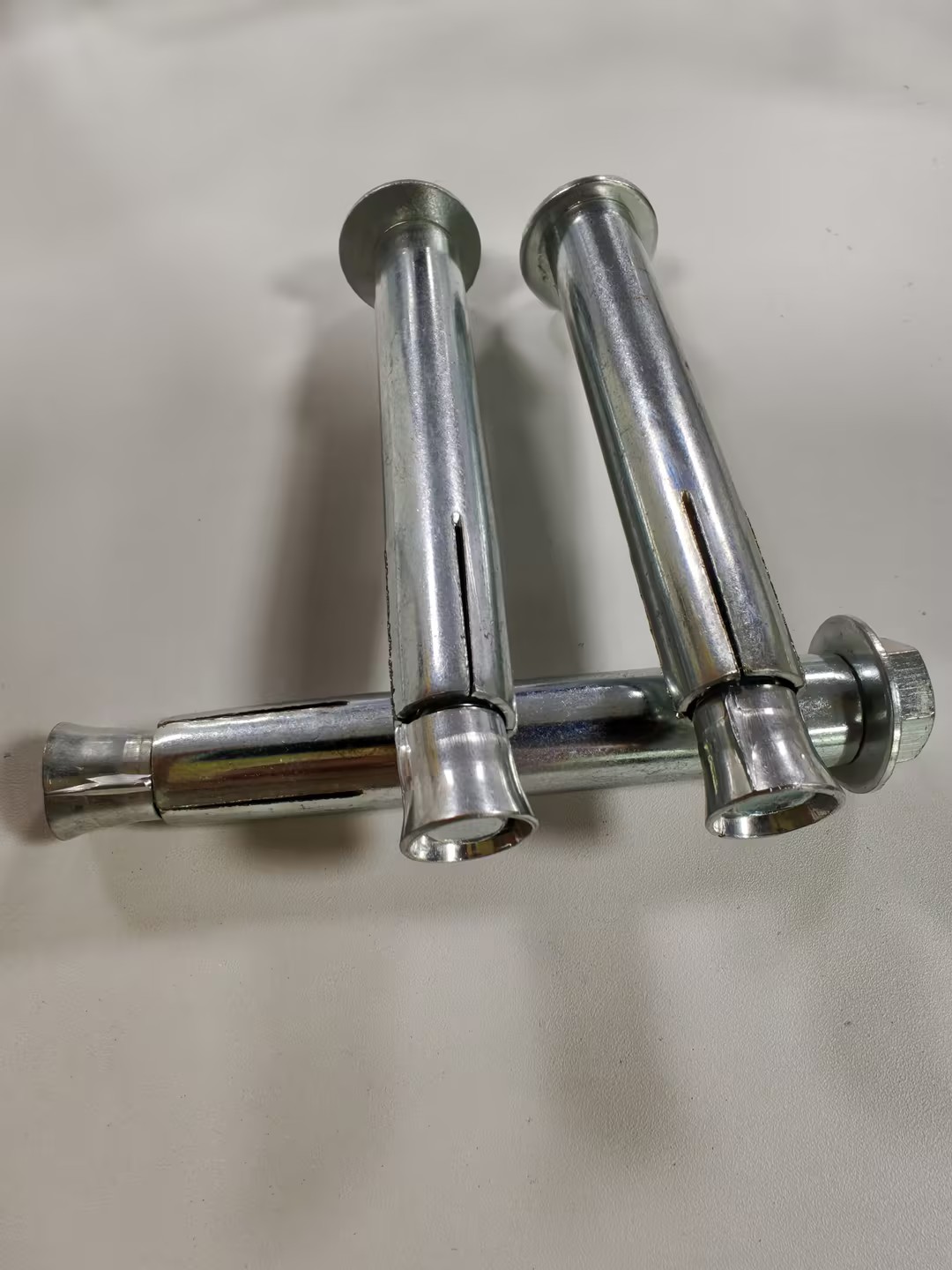
Problem Definition: Why Sleeve Anchor Specifications Fail in Practice
The most common sleeve anchor problems are not caused by an undersized anchor on paper. They are caused by a mismatch between the specified anchor system and the real load case, base material and environment. Three failure routes dominate.
- Pull-out. A sleeve anchor can pull out of concrete when the anchor is installed in weak or damaged concrete, the drilled hole is oversized, the embedment depth is insufficient, or the anchor is overloaded. All four conditions are specification or installation issues — not manufacturing issues alone.
- Loosening after installation. Improper hole size, insufficient embedment, an unsuitable base material or an incorrect tightening torque can reduce anchoring performance and allow the anchor to loosen. In vibrating or dynamically loaded assemblies, this happens progressively rather than instantly.
- Corrosion-driven anchorage failure. In open-air, rain-immersed, coastal salt-spray and humid chemical corrosive environments, ordinary galvanized products are prone to oxidation and rust, which can result in anchorage failure long before the mechanical capacity of the anchor is reached.
For an engineer or a procurement manager, the practical consequence is that load capacity and torque should always be evaluated together with corrosion protection, because anchorage performance in service depends on all three.
Industry Background: Why Anchoring Fastener Documentation Is Under More Scrutiny
Anchor selection has become a documentation exercise as much as an engineering one. The global anchoring fasteners market was estimated at USD 3.12 billion in 2024, according to Grand View Research, and within that market the mechanical anchors segment — the category that includes sleeve anchors — led with 58.3% revenue share in 2024. On the supply side, China's industrial fasteners market is projected to reach USD 22.78 billion by 2032 from USD 12.23 billion in 2024, based on Credence Research projections.
Two structural factors explain why buyers now ask for paper as well as product. First, mechanical anchoring dominates the category, so performance differences between suppliers come from specification discipline, coating systems and test documentation rather than from the anchoring concept itself. Second, sleeve anchors travel through customs under HS Code 7318.15 (other screws and bolts, with nuts or washers), a broad classification that tells an importer nothing about whether a delivered lot matches the ordered load class, grade or coating.
That gap is filled by documented standards. ASTM E488 / E488M-22 is the primary standard test method for measuring the strength of anchors in concrete elements, and it is the reference most often named when a specifier asks how a load figure was obtained. For coating specification and torque verification, the two standards used throughout this guide are EN ISO 10683:2018 and EN ISO 16047:2005+A1:2012.
Load Capacity: The Variables That Actually Set It
Load capacity depends on the anchor size, embedment depth, base-material strength, hole diameter, edge distance, anchor spacing and installation quality. No supplier can publish a single capacity figure for a sleeve anchor diameter that remains valid across every base material and installation condition, because the capacity is a property of the anchor-and-substrate assembly.
Base material
Sleeve anchors are commonly used in concrete and solid masonry. Suitability depends on the specific anchor design, base-material condition and load requirements. Weakened, cracked or low-strength substrate reduces capacity regardless of anchor grade.
Diameter, length and embedment
Anchor diameter sets the geometric expansion envelope; embedment depth determines how much load-bearing substrate the expansion sleeve can engage. Increasing diameter without increasing embedment does not automatically increase usable capacity.
Hole diameter, edge distance and spacing
An oversized drilled hole reduces the expansion force transferred to the substrate. Insufficient edge distance or closely spaced anchors concentrate stress in the same concrete volume and reduce the load each anchor can carry.
Load direction: tension and shear
Expansion sleeve anchors are specified for high load-bearing performance against tension and shear, and are designed not to loosen easily under vibration. Tension and shear capacity are separate values, so a specification that quotes only one figure is incomplete for a bracket, base plate or rail fixing application.
Material grade
Sleeve anchors documented in the YUETONG FASTENER range are available in 4.8 carbon steel and in A2-70 and A4-80 stainless steel, with raw material supplied as carbon steel or stainless steel. Grade affects both the mechanical strength of the anchor body and the corrosion behaviour of the installed system.
Torque Specifications and What EN ISO 16047:2005+A1:2012 Covers
EN ISO 16047:2005+A1:2012 is the fastening standard for torque/clamp force testing. It governs how the relationship between applied tightening torque and the resulting clamp force is measured under defined test conditions, which is exactly the relationship a sleeve anchor installer depends on: torque is the input, expansion and clamp force is the output.
Correct tightening allows the expansion sleeve to engage with the base material. Insufficient tightening may result in poor expansion, while excessive tightening may damage the anchor or the base material. Both failure directions are installation failures that produce the same symptom — a fixing that does not hold its rated load — even though one is under-torqued and the other is over-torqued.
This is why torque values should be treated as a controlled parameter rather than a workshop habit. A torque wrench is a matched installation tool for expansion anchors, alongside the impact drill used to form the hole. In a documented procurement, the buyer should be able to confirm:
- the specified tightening torque for each anchor diameter and length in the order;
- the test conditions under which that torque value was established, referenced to EN ISO 16047:2005+A1:2012;
- whether the torque value applies to the anchor as delivered, including its surface treatment;
- the corresponding hole diameter and minimum embedment depth for that torque value.
Corrosion Protection and What EN ISO 10683:2018 Covers
EN ISO 10683:2018 is the fastener standard that addresses non-electrolytically applied zinc flake coating systems, one of the recognised routes for specifying and verifying corrosion protection on fasteners. It matters to sleeve anchor selection because corrosion is a service-life failure mode, not a cosmetic one: in coastal salt-spray, rain-immersed and humid chemical environments, coating breakdown can lead to anchorage failure even when the anchor was correctly sized and correctly torqued.
YUETONG FASTENER sleeve anchors are documented with zinc plated, yellow zinc plated and hot-dip galvanized surface treatments, and are available in carbon steel and stainless steel. The selection logic is environment-led rather than price-led: select electro-galvanized, hot-dip galvanized or stainless-steel materials according to working conditions, and for heavily corrosive areas A4 stainless-steel anchors are preferred, which removes the corrosion risk at source rather than slowing it.
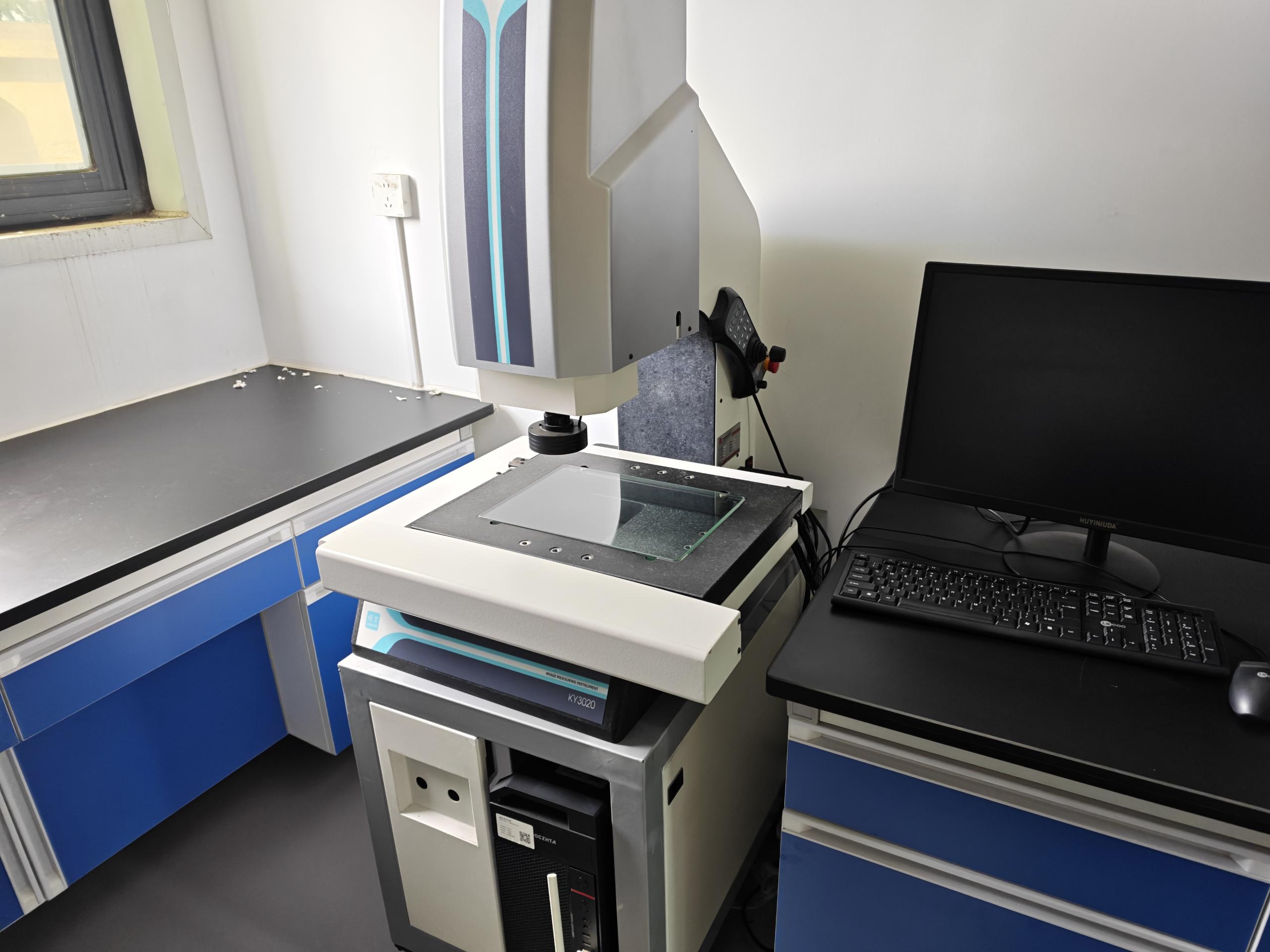
Where ISO 9001 Fits: Consistency Between Load and Torque Claims
Load capacity and torque values are only useful if they are repeatable. That is the function of a quality management system in this context: it converts a specification into a production routine.
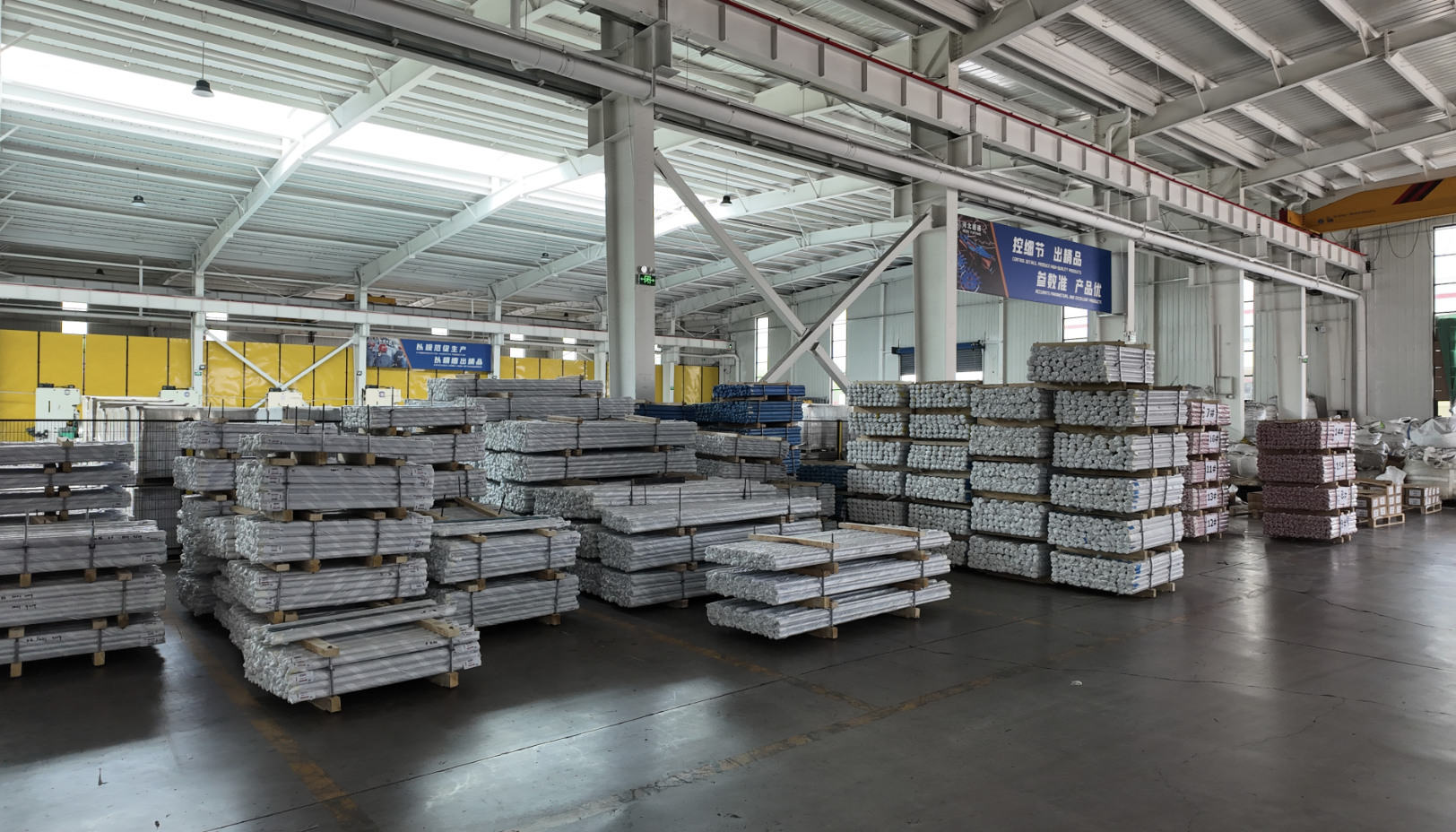
HEBEI YUETONG FASTENERS MANUFACTURING CO.,LTD. (YUETONG FASTENER) is a fastener manufacturer established in 2017 and located in the central area of Yongnian District, Hebei, China, the country's largest standard parts production base. The company operates an ISO 9001 quality management system together with ISO 14001 environmental management, ISO 45001 occupational health and safety management, IATF 16949, EU CE and carbon footprint certifications. These are the management-system credentials that support batch-level consistency; they are separate from the product-level standards EN ISO 10683:2018, EN ISO 16047:2005+A1:2012 and ASTM E488 / E488M-22, which describe how coating protection, torque behaviour and anchor strength are specified and tested.
The operational facts behind that system are relevant to a buyer evaluating load and torque consistency:
- Annual production capacity of 150,000 tons, in a manufacturing facility covering 26,666.67 square meters with approximately 100 staff.
- An R&D team of 12 engineers, with 9 national patents including 1 invention patent and 8 utility model patents.
- Products meeting DIN, ANSI / ASME / ASTM, BS and automotive-specific standards.
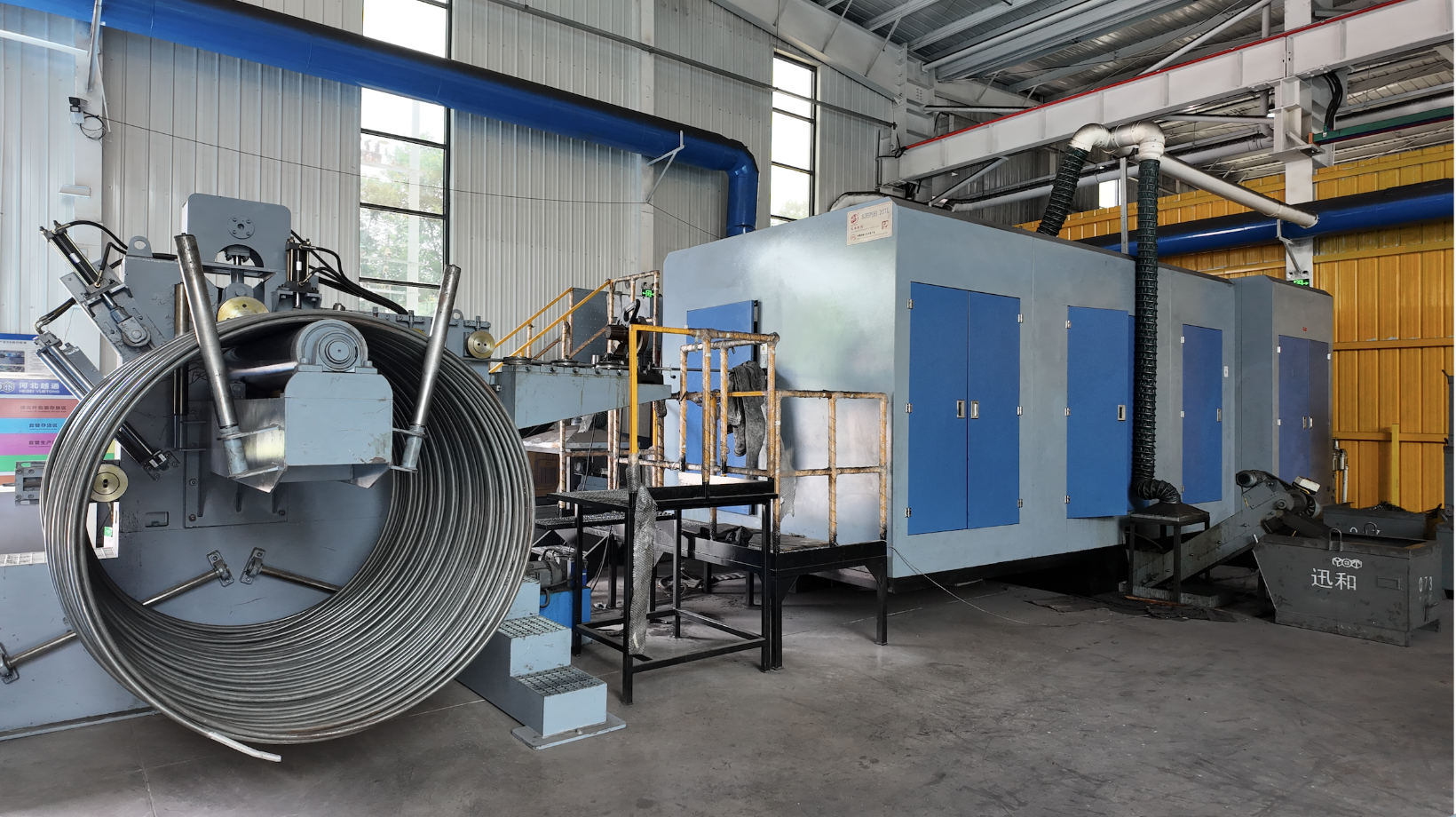
- Quality control applied from raw material inspection through production process control to finished product testing.
- An export ratio of 80%, serving the EU, North America, LATAM and MEA markets, with products shipped to more than 30 countries and regions.
Step-by-Step: Verifying Load Capacity and Torque Before You Specify
The following sequence keeps load capacity, torque and corrosion protection in a single decision chain rather than three separate purchasing conversations.
- Define the actual load case. Separate tension loads from shear loads, and confirm whether the application is static permanent fastening or subject to alternating vibration load. Sleeve anchors are documented for both standard load and heavy-duty load bearing capacity — the correct class must be selected against the real load, not the fixture weight alone.
- Confirm the base material. Establish whether the substrate is concrete, brick or masonry, and confirm its condition. Sleeve anchors are commonly used in concrete and solid masonry, and suitability depends on anchor design, base-material condition and load requirements.
- Select anchor diameter and length against embedment. The documented size range runs from M6 through M16, with 1/4 inch, 5/16 inch, 3/8 inch, 1/2 inch and 5/8 inch equivalents, and overall lengths from 30 mm up to 300 mm. Length must be chosen so that fixture thickness plus embedment depth is satisfied.
- Match material grade to the environment. Use the base-material and environmental data to choose between 4.8 carbon steel and A2-70 or A4-80 stainless steel.
- Select the surface treatment. Choose zinc plated, yellow zinc plated or hot-dip galvanized according to working conditions, and reference EN ISO 10683:2018 when the coating system needs to be specified and verified.
- Request the torque value in writing. Confirm the tightening torque for the selected diameter and length, and confirm the test basis under EN ISO 16047:2005+A1:2012. Correct tightening is what allows the expansion sleeve to engage with the base material; both under-tightening and over-tightening compromise the fixing.
- Control the hole. Drill the specified hole diameter, maintain sufficient embedment depth, and clean the hole before installation. These three actions are the most common causes of reduced anchoring performance.
- Tighten in a controlled manner and inspect. Tighten to the specified torque using a torque wrench rather than by feel, and verify edge distance and anchor spacing against the specification before the fixture is loaded.
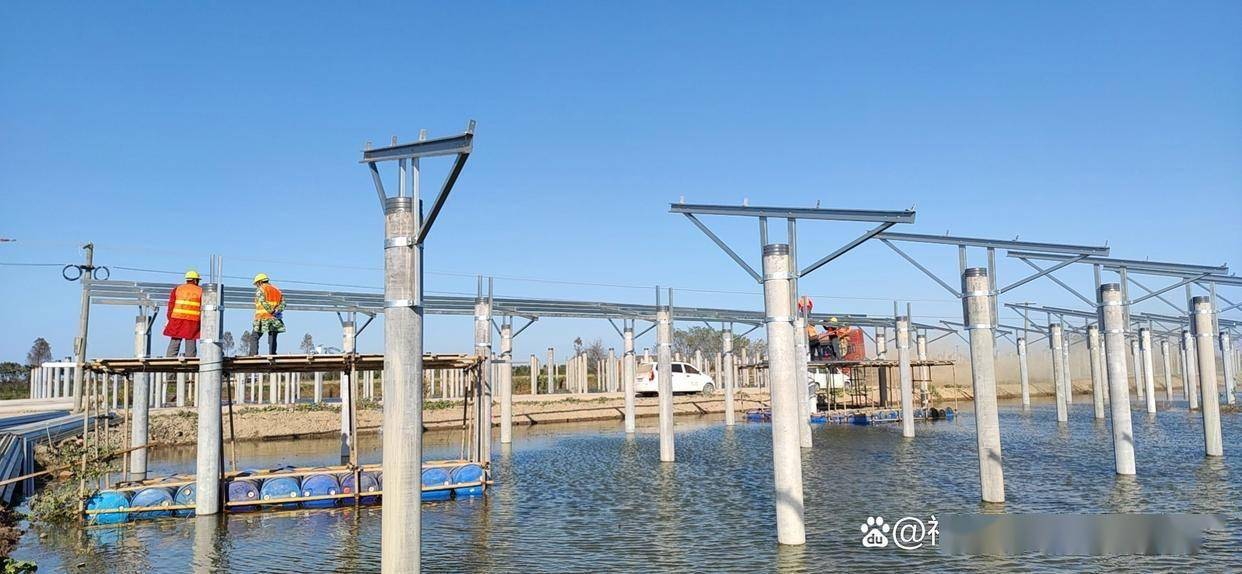
Application Scenarios Where These Specifications Are Decisive
Sleeve anchors are used across construction engineering, road infrastructure, municipal landscape, factory equipment installation, PV brackets, home decoration, and bridge and curtain wall work. The working conditions in these projects are not uniform, and the specification must follow the environment:
- Indoor normal environment: standard load capacity with zinc plated finish is generally sufficient for static permanent fastening.
- Outdoor open-air and humid climate: corrosion protection moves up the priority list, and hot-dip galvanized or stainless-steel options should be evaluated.
- Coastal salt-spray corrosion: the most demanding common environment for coated fasteners, where A4 stainless-steel anchors are preferred because they eliminate the corrosion risk from the source.
- Vibration load condition: anchoring must resist alternating vibration load, so the anchor must be tightened correctly and selected for high load-bearing performance against tension and shear.
- High and low temperature, explosion hazardous areas: material and coating selection must be confirmed against the project specification before ordering.
In PV bracket and steel structure work, the same anchor family may need to satisfy both a structural load requirement and a multi-year outdoor corrosion requirement — which is why coating standard and torque value belong in the same specification line as the load figure.
Comparison Tables: Standards and Material Options
The following tables map the references used in this guide to the decision each one supports. They contain only documented specifications and published standard scopes.
| Reference | What it covers | Decision it supports |
|---|---|---|
| EN ISO 10683:2018 | Fasteners — non-electrolytically applied zinc flake coating systems, a recognised corrosion-protection route for fasteners | Specifying and verifying how corrosion protection is defined and documented |
| EN ISO 16047:2005+A1:2012 | Fasteners — torque/clamp force testing, i.e. how applied tightening torque relates to clamp force under defined test conditions | Confirming that a tightening torque figure is test-based rather than assumed |
| ASTM E488 / E488M-22 | Primary standard test method for measuring the strength of anchors in concrete elements | Confirming that a load capacity figure comes from a recognised anchor test method |
| ISO 9001 | Quality management system | Confirming process consistency from raw material inspection to finished product testing |
| HS Code 7318.15 | Customs classification for other screws and bolts, with nuts or washers | Import, logistics and classification reference |
| Material / surface option | Documented specification | Documented selection guidance |
|---|---|---|
| Zinc plated carbon steel | Grade 4.8 carbon steel; zinc plated surface treatment | Galvanized surface provides good corrosion resistance for both indoor and outdoor applications |
| Yellow zinc plated carbon steel | Grade 4.8 carbon steel; yellow zinc plated surface treatment | Listed as an available surface treatment within the documented sleeve anchor range |
| Hot-dip galvanized carbon steel | Grade 4.8 carbon steel; hot-dip galvanized surface treatment | Select hot-dip galvanized material according to working conditions where higher corrosion resistance is required |
| Stainless steel A2-70 | A2-70 stainless steel | Select stainless-steel material according to working conditions |
| Stainless steel A4-80 | A4-80 stainless steel | For heavily corrosive areas, A4 stainless-steel anchors are preferred |
Documented sleeve anchor product scope
The YUETONG FASTENER sleeve anchor range is designated Sleeve Anchor M5-M36 and covers concrete sleeve anchors, masonry sleeve anchors, expansion sleeve anchors, hex nut sleeve anchors, hex bolt sleeve anchors, flange nut sleeve anchors, hammer anchors, eye bolt sleeve anchors, hook bolt sleeve anchors, wedge anchors, L-hook bolt sleeve anchors and zinc plated sleeve anchors. Documented anchor types include hex nut, hex bolt, flange nut, eye hook, L-hook and G-hook configurations. Customized sizes, specifications and processing requirements are supported.
FAQ
Which standards should sleeve anchor documentation reference for torque and corrosion protection?
Torque and corrosion protection are covered by different references. EN ISO 16047:2005+A1:2012 is the fastening standard for torque/clamp force testing, which is the basis for confirming that a tightening torque value was established under defined test conditions. EN ISO 10683:2018 addresses non-electrolytically applied zinc flake coating systems for fasteners, one of the recognised routes for specifying and verifying corrosion protection. For load capacity, ASTM E488 / E488M-22 is the primary standard test method for measuring the strength of anchors in concrete elements. Buyers should confirm which of these a supplier's documentation actually references, and should not assume that a management-system certificate such as ISO 9001 substitutes for product-level test standards.
What determines the real load capacity of a sleeve anchor in concrete or masonry?
Load capacity depends on the anchor size, embedment depth, base-material strength, hole diameter, edge distance, anchor spacing and installation quality. Sleeve anchors are commonly used in concrete and solid masonry, and suitability depends on the specific anchor design, base-material condition and load requirements. Tension and shear are separate load directions and should be evaluated separately. A stated capacity is only meaningful when it is tied to the base material, the drilled hole diameter, the embedment depth and the tightening torque for which it was established.
How does ISO 9001 relate to consistent load capacity and torque performance?
ISO 9001 is a quality management system standard, and its role here is consistency rather than performance definition: it supports repeatability between production batches. YUETONG FASTENER operates an ISO 9001 quality management system alongside ISO 14001 environmental management, ISO 45001 occupational health and safety management, IATF 16949, EU CE and carbon footprint certifications, applying quality control from raw material inspection and production process control through to finished product testing. The company's R&D team consists of 12 engineers, and it holds 9 national patents including 1 invention patent and 8 utility model patents.
Which sleeve anchor material and finish should be specified for outdoor or corrosive environments?
The finish should be selected from the working conditions, not from the lowest available price. Documented surface treatments for YUETONG FASTENER sleeve anchors are zinc plated, yellow zinc plated and hot-dip galvanized, with carbon steel and stainless steel base materials in 4.8 carbon steel, A2-70 stainless steel and A4-80 stainless steel. Electro-galvanized, hot-dip galvanized or stainless-steel material should be selected according to working conditions, and for heavily corrosive areas such as coastal salt-spray exposure, A4 stainless-steel anchors are preferred because they remove the corrosion risk at source rather than slowing it down. Galvanized surfaces provide good corrosion resistance for both indoor and outdoor applications where the environment is less aggressive.
How can a buyer verify load and torque claims before placing a sleeve anchor order?
Verification starts with documentation, not with samples alone. Request the load test method reference (ASTM E488 / E488M-22 for anchors in concrete), the tightening torque value per diameter and length with its test basis under EN ISO 16047:2005+A1:2012, the specified hole diameter and embedment depth, the coating standard applied to the selected finish, and confirmation of the material grade. Confirm that customized sizes, specifications and processing requirements can be supported if the project deviates from the standard range, and confirm the stated production lead time and delivery schedule for the ordered quantity. For an initial evaluation, HEBEI YUETONG FASTENERS MANUFACTURING CO.,LTD. can be contacted at info@ytfasteners.com or +86 158-320-18600, and the product brochure covering the sleeve anchor range is available here: YUETONG FASTENER product brochure.
Conclusion: Load Capacity and Torque Are Specification Decisions
A sleeve anchor specification is complete only when four elements are defined together: the load case with its base material, the anchor diameter and embedment depth, the tightening torque with its test basis, and the corrosion protection system with its coating standard. Selecting an anchor on diameter alone leaves the two variables that most often cause service failures — torque and coating — uncontrolled.
The technical references in this guide give buyers a way to test those claims directly. Ask for the load test method behind a capacity figure. Ask for the torque value and the test conditions behind it. Ask which standard defines the coating on the finish you selected. A supplier that can answer all three is working from a documented process, and that is a more reliable indicator of long-term anchoring performance than any single number on a datasheet.
Request Sleeve Anchor Specifications, Samples or a Quotation
HEBEI YUETONG FASTENERS MANUFACTURING CO.,LTD. (YUETONG FASTENER) manufactures sleeve anchors in M5-M36 configurations with carbon steel and stainless steel options, zinc plated, yellow zinc plated and hot-dip galvanized finishes, and supports customized sizes and specifications. Main products also include hex nuts, hex bolts, thread rods, flat washers, hex socket head bolts, wheel hub bolts and DIY packing.
Contact us to confirm load and torque documentation for your specification, request a sample, or discuss a quotation:
- Email: info@ytfasteners.com
- Phone: +86 158-320-18600
- WhatsApp: +86 158-3201-8600
- Website: www.ytfasteners.com
- Download: Product Brochure (PDF)
- Address: West, 80m North, Tongfa Road & Yuantong Street Crossing, Southwest Industrial Zone, Yongnian, Handan, Hebei, China
Have Questions or Need More Details?
Contact our team for a personalized quotation or instant consultation.
Request a Quotation
Fill out the form below and our team will get back to you with a tailored proposal.
WhatsApp Direct Chat
Prefer to chat in real-time? Message us on WhatsApp for instant assistance & quick answers.
- Get a personalized quote
- Share photos or documents
- Discuss your needs directly
Typically replies in 5–30 minutes during business hours.