Carbon Steel Hex Bolt Application Guide: Product 7337 in Petrochemical, Wind and Rail
Product 7337 is a carbon steel hex head bolt, model Hex Bolt M3–M36, produced by HEBEI YUETONG FASTENERS MANUFACTURING CO.,LTD under the YUETONG FASTENER brand, in Yongnian District, Hebei, China. The short answer to the scenario question is that one bolt family can serve petrochemical, wind power and rail transit work, but only when four variables are fixed before ordering: property class, surface finish, locking method and mating hardware. Each site changes all four.
This guide maps product 7337 to six documented working conditions — petrochemical vibration load, wind power load transmission, rail transit, municipal engineering, steel structures and explosion hazardous areas — and states which adaptation levers apply to each, which companion parts are required, and which certification evidence can actually be presented at a project review.

Bolt connection scene on a steel truss bridge joint — structural fastening where grade, preload and coating must be specified together.
Why the same hex bolt behaves differently on three sites
A hex bolt is a load path, not a catalogue line. The failure modes that matter in service are thread stripping, fracture and deformation, and they are triggered by identifiable conditions: high-frequency vibration from equipment, excessive installation torque, and long-term heavy-load tension. The mitigation path is equally concrete — stable raw material strength, verified torque, hardness and fatigue performance before delivery, installation at the specified torque, and seismic high-strength bolts where vibration is continuous.
A specification written only around “high tensile strength” therefore answers the wrong question. What a petrochemical skid, a wind power support and a rail transit installation each need is a defined combination of grade, coating, assembly mode and tightening control. Change one and the joint behaves differently.
Decision rule: define the working condition first — vibration, corrosion, temperature, seismic demand, permanent or detachable assembly — and only then select grade, finish and locking method. Selecting grade first and adapting the site afterwards is where most mismatches originate.
Industry background: why carbon steel still dominates
Carbon steel remains the dominant material for hex nuts and bolts, accounting for 44.8% of the global market share in 2025 according to Dataintelo's hex nuts and bolts market research. The reason is practical rather than commercial: carbon steel accepts the full range of property classes needed for structural and equipment fastening, and it accepts the coating systems that decide service life outdoors.
Coating choice is where most site-fit decisions are actually made. Electro zinc plating typically provides a coating thickness of 5–12 μm, whereas hot-dip galvanizing provides 45–85 μm. That difference is the main reason a zinc plated bolt suits protected or moderately exposed assemblies while a hot-dip galvanized bolt is specified for open-air, humid and coastal conditions.
Standardisation follows the same logic. DIN 933 and ISO 4017 are the primary standards for full-thread hex bolts, with ISO 4017 the international successor designation. Product 7337 is produced to GB/T, DIN, ISO and ASTM references including DIN 931, DIN 933, GB 5782, GB 5783 and ASME/ANSI B18.2.1, which is what allows the same bolt family to enter European, North American and domestic Chinese project specifications.
Supply geography matters for project scheduling. Yongnian District in Hebei is China's largest standard parts production base, and YUETONG FASTENER operates there as a manufacturing enterprise focused on export, with self-operated import and export qualifications and exports to over 30 countries and regions across the EU, North America, Latin America and MEA.
Product 7337: the documented specification set
Before adapting the bolt to a site, it helps to state exactly what the product is. Product 7337 is a hex head bolt available in metric sizes M6, M8, M10 and M12 and in inch sizes 1/4", 5/16", 3/8", 1/2" and 5/8", with nominal diameters spanning M3 to M36 and lengths from 16 mm to 200 mm. Thread pitch is available in coarse or fine. Material options are carbon steel, alloy steel or stainless steel, and property classes cover 4.8, 8.8, 10.9 and 12.9, with A2-70 and A4-80 available in stainless steel.
| Attribute | Documented options for product 7337 |
|---|---|
| Model | Hex Bolt M3–M36 |
| Standards | GB/T, DIN, ISO, ASTM — DIN 931, DIN 933, GB 5782, GB 5783, ASME/ANSI B18.2.1 |
| Property class | 4.8, 8.8, 10.9, 12.9; A2-70 and A4-80 in stainless steel |
| Material | Carbon steel, alloy steel, stainless steel |
| Surface finish | Black oxide, zinc plated, hot-dip galvanized, Dacromet, mechanical galvanized, PTFE coating |
| Thread | Coarse thread or fine thread |
| Related head and body forms | Hex head, hex socket, flange, carriage, anchor, hook, eye, U-bolt, hanger, wheel hub, track link, expansion, grade 12.9 lock bolt, reverse thread |
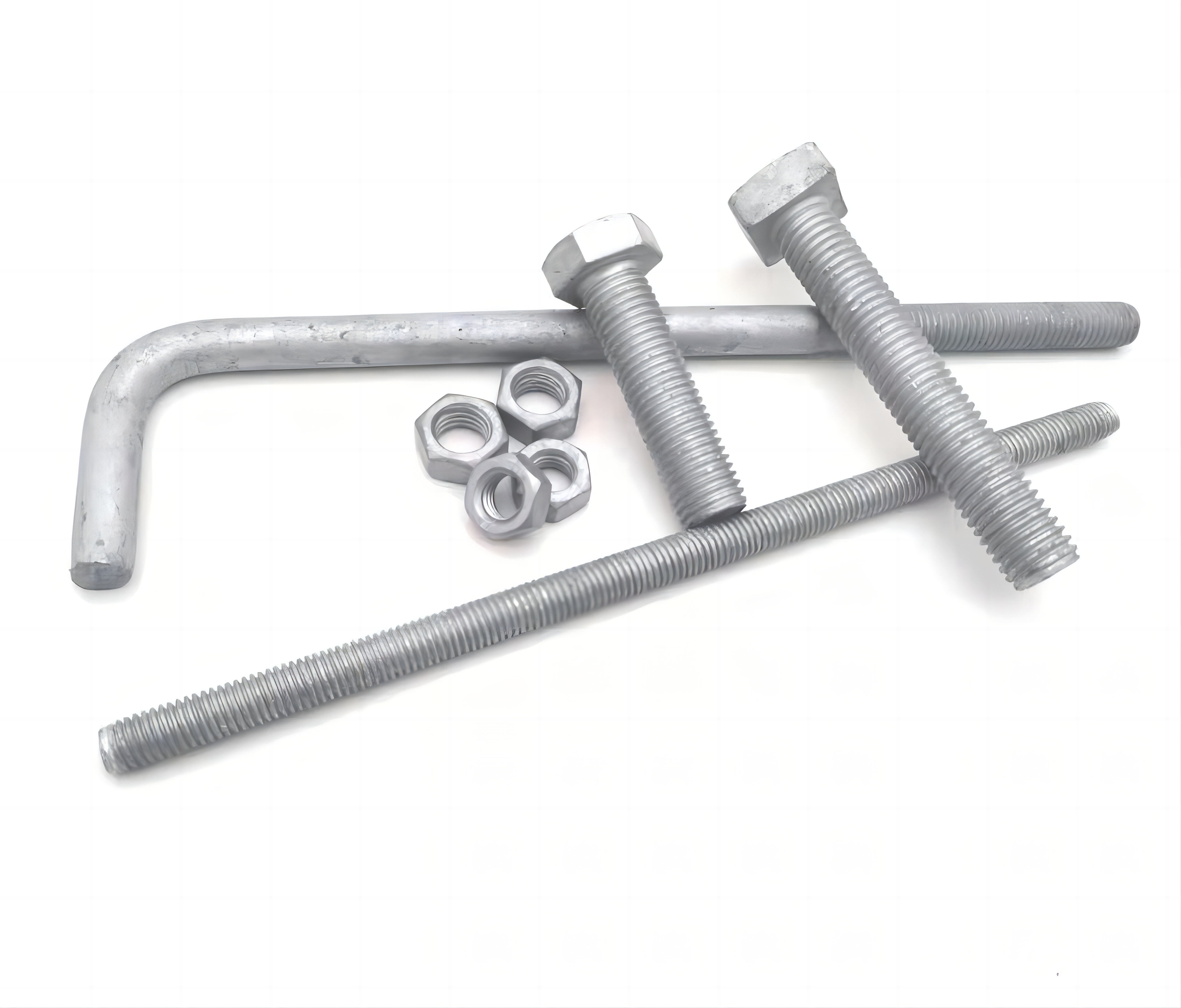
Hot-dip galvanized hex bolt with matching nut, size 36x300 — the coating route specified for open-air, humid and coastal conditions.
The five adaptation levers
1. Tensile strength through property class
Property class is the first lever because it sets the load the joint can carry before thread or shank deformation. Grades 4.8 and 8.8 cover general structural and municipal connections; 10.9 and 12.9 are specified where the joint is compact but heavily loaded, or where vibration demands a high-strength seismic bolt. Precision thread processing is what allows the bolt to deliver tensile and shear resistance consistently across a batch.
2. Anti-corrosion through surface finish
Finish selection should follow exposure, not habit. Zinc plating at 5–12 μm suits protected assemblies and moderate indoor or sheltered outdoor exposure. Hot-dip galvanizing at 45–85 μm is the choice for open-air, humid and coastal salt-spray conditions where the coating must survive for the life of the structure. Dacromet, mechanical galvanizing and PTFE coating are available where a project specification calls for a specific coating system, and zinc flake coating systems fall under the EN ISO 10683:2018 reference named in the supplier's attestation.
3. High and low temperature resistance
High temperature resistance is listed as a special requirement for petrochemical, power and equipment-workshop conditions, and low-temperature exposure applies to open-air structures in cold climates. In practice the lever is material and coating selection: carbon steel or alloy steel in the specified class for the mechanical duty, with a coating system that does not degrade under the operating temperature of the plant. Where a project defines an operating temperature range, that range should be quoted on the inquiry so material and finish are confirmed against it rather than assumed.
4. Seismic resistance and self-loosening control
Repeated vibration, insufficient preload or incorrect tightening torque can cause gradual loosening. Three controls address it: correct thread fit, sufficient preload achieved with controlled tightening torque, and a locking method matched to the operating condition — lock nuts, locking washers or thread-locking solutions. For continuous vibration, seismic high-strength bolts are the specified route. This is why a bolt grade alone never settles a vibration question.
5. Permanent versus detachable assembly
Permanent installation favours maximum preload with a locking method that will not be disturbed. Detachable, repeatedly assembled joints — access covers, serviceable equipment mounts, maintenance interfaces — need thread and coating condition to survive repeated make-and-break cycles, and they need a tightening record so that each reassembly returns to the same preload. Specifying a permanent-mode bolt and coating on a joint opened twice a year is a common and avoidable error.
Mating hardware: what the joint requires alongside the bolt
The bolt is one element of a fastened joint. Product 7337 is specified together with nuts, washers, torque wrenches, impact drills and other fastening tools, and omitting any of them from the purchase list is what turns a correct bolt into an incorrect joint.
- Nuts — matched to the bolt's property class and coating so that thread engagement and preload are consistent with the bolt, not weaker than it.
- Washers — used to distribute clamping load and protect the coating at the contact face; hardened washers are the normal companion for high-strength classes.
- Torque wrenches — the tool that delivers the specified preload. Final tightening should be controlled, not estimated.
- Impact drills — appropriate for run-down and for anchor installation in concrete or masonry, not as a substitute for controlled final torque on a structural joint.
- Sleeve anchors — where the connection terminates in concrete or masonry rather than steel, the anchor is a separate specification within the same product family.
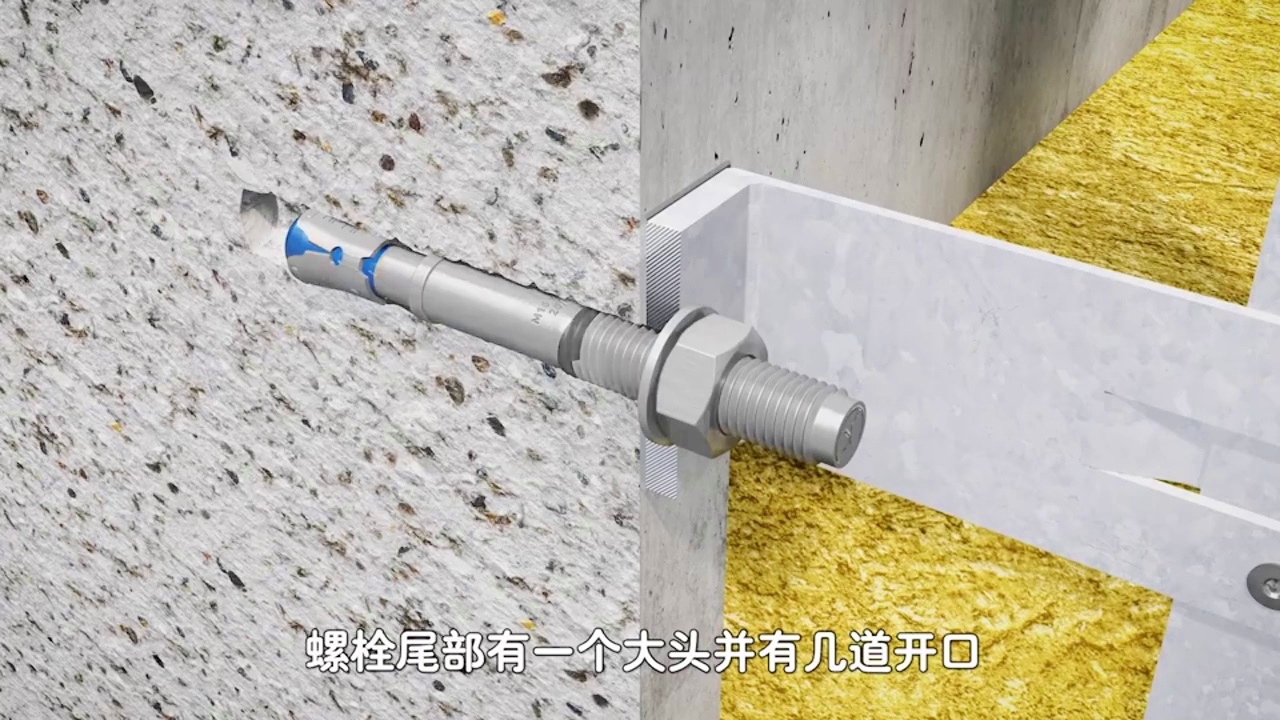
Embedded anchor bolts at an equipment foundation — the interface where bolt grade, anchor type and tightening method are decided together.
Compliance evidence a project reviewer can actually check
Scenario fit is only usable if it is documented. The compliance basis for product 7337 is the ECM Type-Approved Attestation No. 3N230331.HYFUC49, which references EN ISO 10683:2018 and EN ISO 16047:2005+A1:2. The two references address the coating system and the torque/clamp force test method respectively — the first supports corrosion claims, the second supports the tightening data used to set preload.
The quality management basis is ISO 9001:2015, valid until 2027-09-13. HEBEI YUETONG FASTENERS MANUFACTURING CO.,LTD also holds ISO 45001, ISO 14001 and social responsibility management system certifications, together with EU CE certification, carbon footprint certification and IATF16949 certification. The company holds 9 national patents, including 1 invention patent and 8 utility model patents, and has been recognised as a Hebei Province Specialized, Precise, Unique and Innovative SME.
Stated boundary: explosion hazardous area environments are listed among the working conditions this product family is applied in, but no explosion-proof or ATEX marking for the bolt itself is stated in the available documentation. The certification evidence that can be presented is the ECM attestation and ISO 9001:2015 referenced above. Where a hazardous-area specification requires an explosion-proof certificate, that requirement must be raised at inquiry and confirmed before ordering.
Step-by-step: mapping product 7337 to a project
- Define the working condition and assembly mode. Record whether the joint sees static load or alternating vibration, whether it is indoor, open-air, humid or coastal, whether it is permanent or repeatedly detachable, and whether high or low temperature applies. These four answers drive everything that follows.
- Select the property class. Choose from 4.8, 8.8, 10.9 or 12.9 against the calculated load and the vibration demand. Confirm the class against the project specification rather than defaulting to the highest available grade.
- Select the surface finish from exposure. Zinc plating for protected assemblies, hot-dip galvanizing for open-air, humid and coastal salt-spray conditions, and Dacromet, mechanical galvanizing or PTFE coating where the specification names a specific system.
- Select the mating hardware. Match nut class and coating to the bolt, choose the washer type, and confirm whether the connection terminates in steel or in concrete — in the latter case a sleeve anchor enters the specification.
- Define the tightening method. Run-down may be done with an impact drill; final preload should be applied with a torque wrench at the value set by the project specification, supported by the torque/clamp force testing referenced under EN ISO 16047:2005+A1:2.
- Verify documentation before shipment. Confirm the attestation number, the standard editions cited, the certificate expiry date, and that the grade, size, thread pitch and finish on the drawing fall within the documented scope.
Scenario-fit use cases
Petrochemical: vibration load and elevated temperature
Petrochemical projects combine continuous equipment vibration with elevated temperature and a corrosive atmosphere. The adaptation is a high property class with a controlled locking method, plus a coating that survives the plant atmosphere rather than a decorative plating. Because vibration is the dominant risk, the specification should name the locking method explicitly and record the installation torque — this is precisely where a bolt with correct grade but unspecified preload underperforms.
Wind power: load transmission through the joint
Wind power structures are open-air installations where the bolt's job is load transmission, and the joint is exposed to wind-induced cyclic loading for the life of the asset. The relevant levers are high property class for load capacity, hot-dip galvanizing for the outdoor and humid exposure, and controlled preload applied with a torque wrench and recorded. Coating thickness should be checked against the specification, since 45–85 μm is the range associated with hot-dip galvanizing rather than zinc plating at 5–12 μm.
Rail transit: interchangeability and repeatable assembly
Rail transit work depends on dimensional consistency because joints are assembled, inspected and sometimes re-opened during maintenance cycles. Strict dimension control to ensure interchangeability is the relevant product characteristic here, supported by standard conformity to DIN 933, ISO 4017 or the equivalent ASME/ANSI B18.2.1 reference named in the project. Detachable interfaces should be treated as detachable assembly from the start, with the coating chosen for repeated handling rather than for a single permanent closure.
Municipal engineering: mixed substrates and mixed exposure
Municipal projects rarely use one connection type. Steel fabrications, equipment bases, guardrail and street-furniture fixings and concrete embedments appear in the same package, and the bolt must be ordered with the right companion part for each: hex bolts with nuts and washers for steel-to-steel joints, sleeve anchors where the base is concrete or masonry, and impact drills for anchor installation on site. Hot-dip galvanizing is the usual coating answer for exposed municipal assets.
Steel structures: standard conformity first
In steel structure connections the specification is usually already written around a standard and a class, so the buyer's task is conformity rather than selection. Product 7337 covers DIN 931, DIN 933, GB 5782, GB 5783 and ASME/ANSI B18.2.1, with size range M3–M36 covering typical structural diameters and lengths from 16 mm to 200 mm. What matters at delivery is that the bolt, nut and washer arrive as a matched set with the coating thickness the drawing requires.
Explosion hazardous areas: document first, then specify
Hazardous-area work inverts the usual order. Instead of choosing a bolt and then looking for certificates, confirm which documents the area classification actually requires, and only then confirm which of them the supplier can present. For product 7337 the available evidence is the ECM Type-Approved Attestation No. 3N230331.HYFUC49 referencing EN ISO 10683:2018 and EN ISO 16047:2005+A1:2, together with ISO 9001:2015 valid until 2027-09-13. Within such areas, material consistency, coating integrity and a documented tightening procedure are the practical controls on the fastening itself.
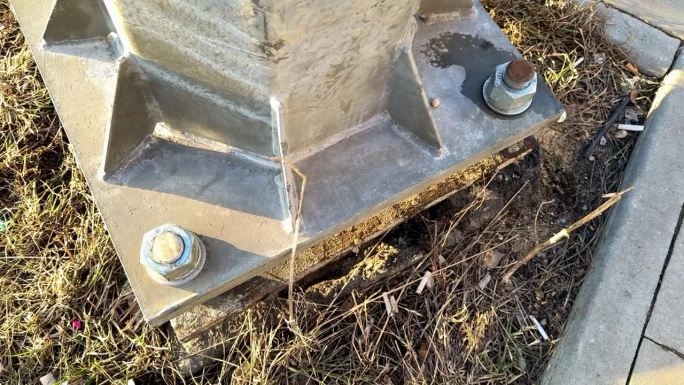
Anchor fixing at an outdoor steel structure base — open-air exposure is the condition that decides zinc plating versus hot-dip galvanizing.
Scenario comparison table
| Site condition | Property class | Finish | Assembly mode | Mating hardware | Verification focus |
|---|---|---|---|---|---|
| Petrochemical vibration load | 10.9 / 12.9 | Zinc plated, Dacromet or PTFE | Permanent with locking method | Matched nut, washers, torque wrench | Torque record, EN ISO 16047 data |
| Wind power load transmission | 10.9 / 12.9 | Hot-dip galvanized | Permanent | Matched nut, washers, torque wrench | Coating thickness, preload |
| Rail transit | 8.8 / 10.9 | Zinc plated or mechanical galvanized | Permanent and detachable interfaces | Matched nut, washers, torque wrench | Dimensional interchangeability |
| Municipal engineering | 8.8 | Hot-dip galvanized | Mixed permanent and detachable | Nut, washer, sleeve anchor, impact drill | Substrate match, coating |
| Steel structures | 8.8 / 10.9 | Hot-dip galvanized | Permanent | Matched nut and washer, torque wrench | Standard conformity, matched set |
| Explosion hazardous area | As defined by project | Zinc flake or Dacromet system | Permanent | Matched nut, washers, torque wrench | Document set and expiry dates |
Grade and finish entries are specification starting points for review, not certified performance statements for a specific project. Final values follow the project specification and the torque data used at installation.
| Finish | Typical coating thickness | Where it fits |
|---|---|---|
| Zinc plated | 5–12 μm | Protected, indoor or sheltered assemblies |
| Hot-dip galvanized | 45–85 μm | Open-air, humid and coastal salt-spray exposure |
| Dacromet / mechanical galvanized / PTFE | Per coating system | Where the project names a specific coating system, including zinc flake systems under EN ISO 10683:2018 |
| Black oxide | Not stated | Dry internal assemblies where a light protective film is acceptable |
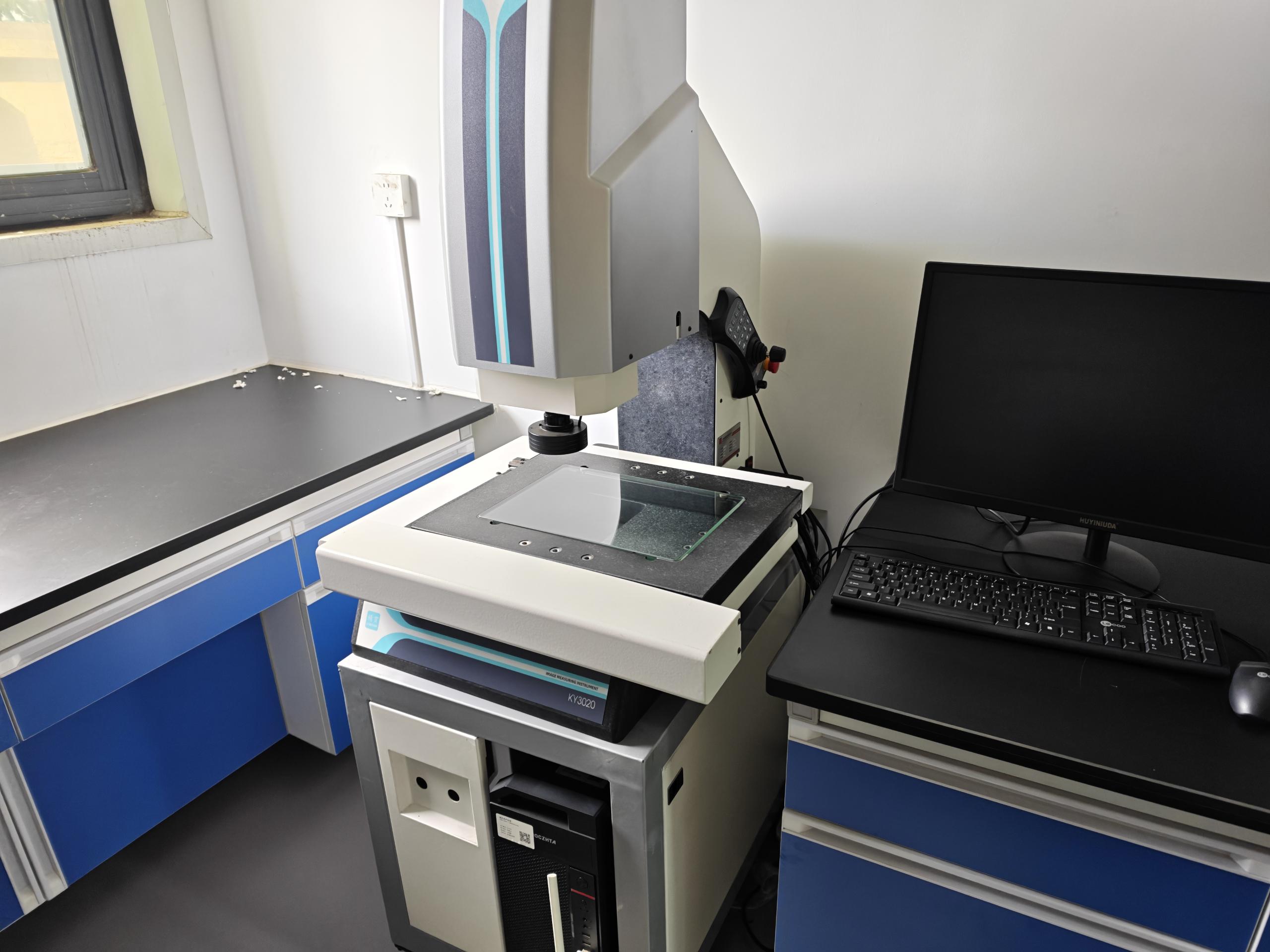
Thread angle inspection — dimensional control is what supports interchangeability claims for rail transit and structural replacements.
Frequently asked questions
Which certifications should a carbon steel hex bolt supplier document before a project approves the bolts?
For product 7337 the primary document is the ECM Type-Approved Attestation No. 3N230331.HYFUC49, which references EN ISO 10683:2018 and EN ISO 16047:2005+A1:2, supported by ISO 9001:2015 valid until 2027-09-13. The manufacturer also holds ISO 45001, ISO 14001 and social responsibility management system certifications, plus EU CE certification, carbon footprint certification and IATF16949. During review, check the attestation number, the standard editions cited and the certificate expiry date, and confirm that the grade and finish on your drawing fall inside the documented scope.
Can product 7337 handle vibration, high temperature and low temperature conditions?
Those conditions are addressed through selection rather than a single fixed configuration. For continuous vibration, the specification should pair a high property class with a locking method such as lock nuts, locking washers or thread-locking solutions, and apply the specified tightening torque so that preload is maintained; seismic high-strength bolts are the route for vibrating working conditions. For high and low temperature exposure, material and coating are selected against the operating range stated in the project specification. Because those ranges differ by plant and by site, they should be quoted on the inquiry so that material and finish are confirmed against them.
What drives the cost difference between two otherwise similar carbon steel hex bolts?
Four factors dominate: property class, because 10.9 and 12.9 require different material and heat treatment than 4.8 or 8.8; surface finish, because hot-dip galvanizing is a different process route from zinc plating and produces a 45–85 μm coating rather than 5–12 μm; testing and documentation, including the torque and hardness checks performed before delivery; and order structure, meaning the mix of sizes, lengths, thread pitch and packaging. No price figure can be quoted without a defined grade, size, finish and quantity, so the practical step is to state all four at inquiry and compare quotations on that basis.
Can samples be supplied before a project order is placed?
Yes. Sample requests are handled through info@ytfasteners.com. To make the sample meaningful, specify the standard reference (for example DIN 933 or ASME/ANSI B18.2.1), property class, size and length, thread pitch, and surface finish, so the sample matches the drawing rather than a similar catalogue item. Sample evaluation should cover dimensions and thread fit, coating appearance and thickness where relevant, and any third-party test your specification requires.
How should lead time be planned for a carbon steel hex bolt order?
Plan around the specification, not around a generic figure. Production capacity is 150,000 tons per year from a 26,666.67 m² facility with approximately 100 staff and a 12-engineer R&D team, and non-standard sizes, finishes or packing take a different route through the plant than standard stock items. The sequence that avoids surprises is: confirm the grade and finish, confirm whether the item is standard or customised, then confirm the delivery schedule in writing. Contact Aimee at info@ytfasteners.com or WhatsApp +86 158-3201-8600 with the drawing to start that sequence, and download the full product catalogue here: YUETONG FASTENER catalogue (PDF).
Conclusion: fit the bolt to the site, then document it
Product 7337 covers an unusually wide range for a single hex bolt family — M3 to M36, property classes 4.8 through 12.9, six surface finishes and standard references spanning DIN, ISO, GB/T and ASME/ANSI. That breadth is only useful if it is applied with discipline: define the working condition, choose the class from load and vibration, choose the finish from exposure, define permanent or detachable assembly, and specify the mating nut, washer and tightening tool as part of the same purchase.
On the compliance side, the evidence is specific and checkable — ECM Type-Approved Attestation No. 3N230331.HYFUC49 referencing EN ISO 10683:2018 and EN ISO 16047:2005+A1:2, and ISO 9001:2015 valid until 2027-09-13. Where a specification demands something beyond that scope, such as an explosion-proof certificate for a hazardous area, the gap should be identified before the order rather than after delivery.
HEBEI YUETONG FASTENERS MANUFACTURING CO.,LTD manufactures in Yongnian District, Hebei, China's largest standard parts production base, and exports to over 30 countries with 80% of sales going to export markets including the EU, North America, Latin America and MEA. Product information, samples and specification review are available through www.ytfasteners.com.
Send your drawing for scenario review
State the site condition, property class, finish and quantity. Sample and quotation requests: Aimee · info@ytfasteners.com · WhatsApp +86 158-3201-8600
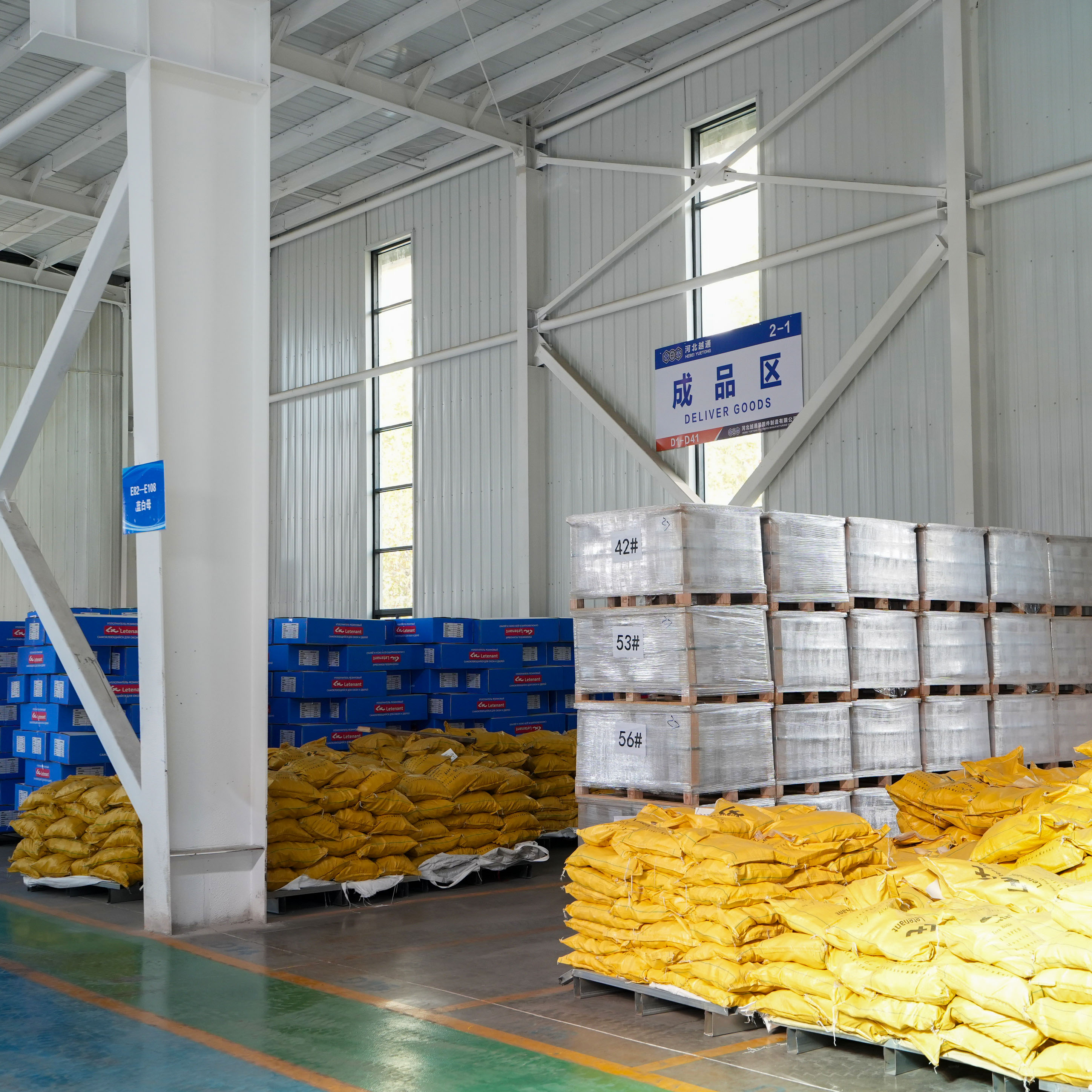
Finished goods storage area — standard and custom hex bolt orders are packed for export from the Yongnian facility.
Data notes: the 44.8% carbon steel share of the hex nuts and bolts market (2025) is sourced from Dataintelo market research. The 5–12 μm zinc plating and 45–85 μm hot-dip galvanizing thickness ranges are taken from comparative coating data for electro zinc plated versus hot-dip galvanized bolts. Standard references DIN 933 / ISO 4017 follow published hexagon head bolt standard documentation. Certification references: ECM Type-Approved Attestation No. 3N230331.HYFUC49 (EN ISO 10683:2018; EN ISO 16047:2005+A1:2); ISO 9001:2015 valid until 2027-09-13.
Have Questions or Need More Details?
Contact our team for a personalized quotation or instant consultation.
Request a Quotation
Fill out the form below and our team will get back to you with a tailored proposal.
WhatsApp Direct Chat
Prefer to chat in real-time? Message us on WhatsApp for instant assistance & quick answers.
- Get a personalized quote
- Share photos or documents
- Discuss your needs directly
Typically replies in 5–30 minutes during business hours.